The police came to his house that day. Then she left. That night, Francine Hughes would make a gesture to turn his case into one of the most controversial in America.
It was March 9, 1977.
Francine put her children in the car, poured gasoline around the bed where former husband James “Mickey” Hughes slept and burned the house.
Then he didn't try to hide.
He drove directly to the police station and confessed.
During the process, to understand what happened that night, a much longer story emerged.
Francine and Mickey had divorced, but they had returned to live together. She told years of violence: percosses, strangulations, threats with a knife and a continuous climate of terror.
Even the children testified that they saw the father beat his mother several times.
But it was above all what happened in the hours before the fire to become central.
Francine attended a professional school, trying to prepare for a job and gain greater independence.
According to the evidence presented at the trial, Mickey claimed he quit.
On that day he beat her, forced her to burn the books she used to study, threw dinner on the floor and humiliated her to clean.
The police intervened that day, but the intervention did not end the situation.
The violence resumed.
A few hours later, while Mickey slept, Francine set the fire in which the man died.
The prosecution challenged Francine the murder.
The defense invoked both self-defense and temporary mental infirmity, claiming that years of abuse, culminated in the events of that day, had caused a psychological breakdown in her.
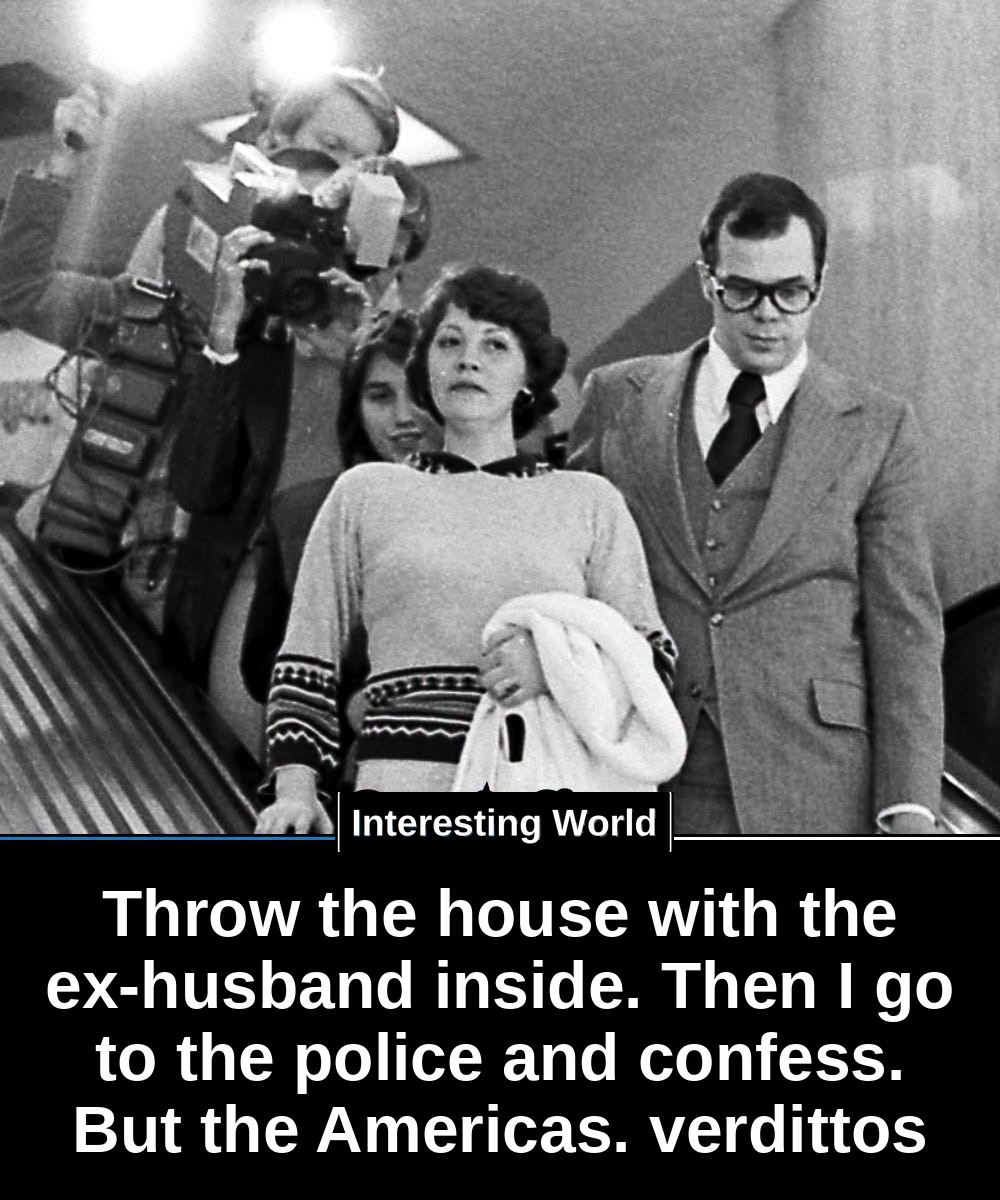
On November 3, 1977, after more than five hours of council chamber, a jury made up of ten women and two men spoke the verdict: not guilty for mental infirmity.
Outside the court, Francine's supporters welcomed the decision enthusiastically.
But the story now went beyond the judicial destiny of a single woman.
The case contributed to a much broader debate on domestic violence and a difficult problem to deal with even on the legal level: what happens when a person suffers repeated abuse, but the law binds self-defense to the presence of an immediate threat?
Francine's story reached an even wider audience a few years later.
In 1984 he became the basis of The Burning Bed, a television film starring Farrah Fawcett. Through television, the theme of domestic violence entered the homes of millions of Americans.
After the trial, someone asked Francine if she finally considered herself a liberated woman.
His response was much bitterer than any celebration.
He said he never thought he was really free.
But he wanted to be.
Perhaps this is the most difficult aspect of Francine Hughes' history.
That night a house burned and a man died. But the process forced America to look at what had happened before: years of violence, fear and attempts to find a way out.
Telling this story does not mean turning an extreme gesture into something to celebrate. It means remembering that behind some chronicle there is a previous story that often remains invisible until something irreversible happens.
And perhaps the question left by that case, almost fifty years later, is still the most important: how desperate must a person be before someone really realizes that he needs to be protected?

The police came to his house that day. Then she left. That night, Francine Hughes would make a gesture to turn his case
Category: Life Stories