
There are rights we give for granted.
Until someone loses them.
In recent years, Afghan women have seen progressively shrinking freedom that for decades had been part of their daily lives: access to education, work, public participation and personal autonomy.
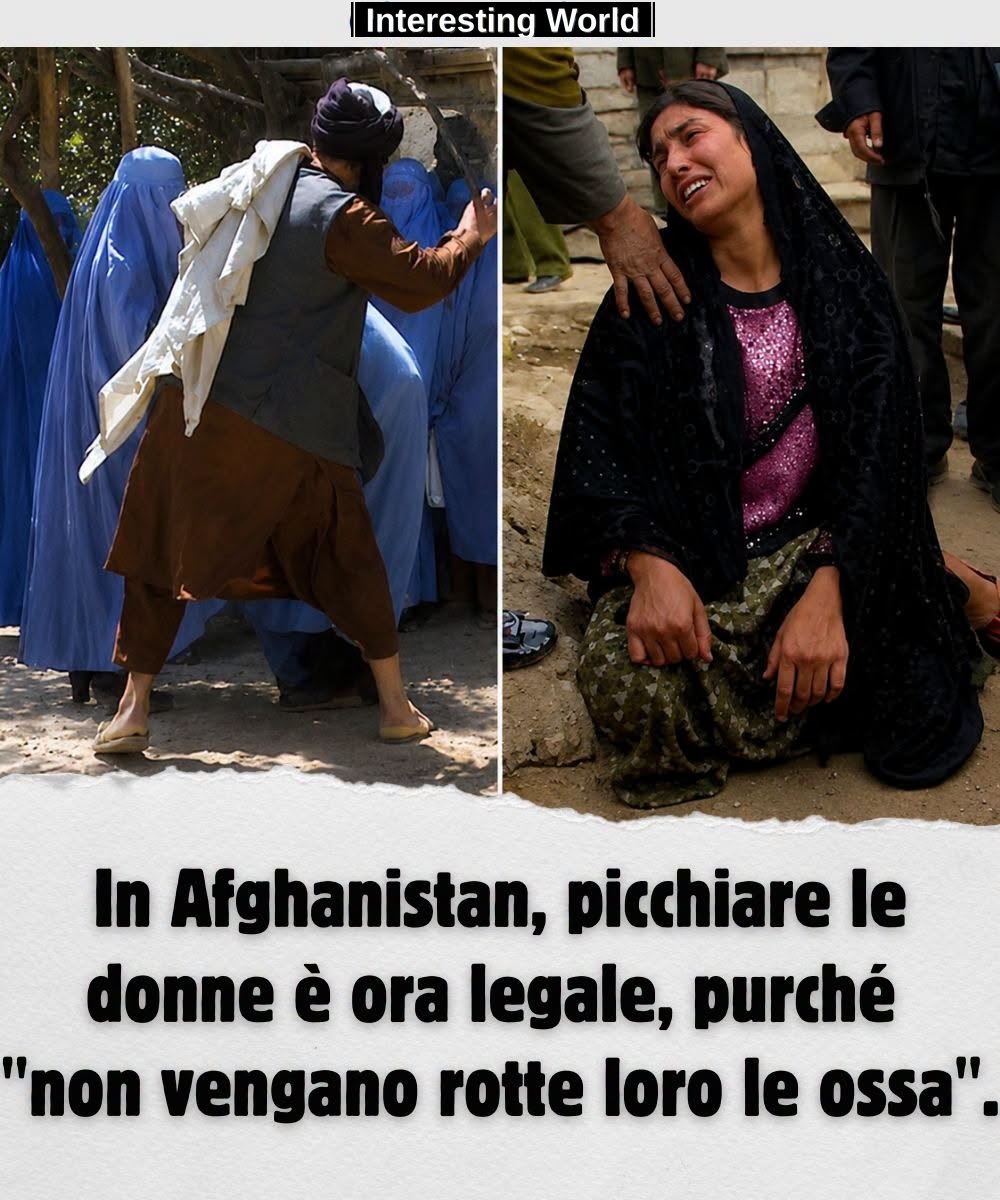
To make the picture even more worrying is the new criminal code introduced by the Taliban regime.
According to the text, a husband can be punished for violence against his wife only in limited cases, such as when the percosses cause fractures, open wounds or visible injuries. Even under these circumstances, the penalty may reach a maximum of 15 days in prison. International human rights organizations and the United Nations have denounced the measure, claiming that it ends up legitimizing domestic violence instead of fighting it.
The new code also provides for strict restrictions on the freedom of movement of women, including the possibility of being pursued if they leave the husband's house repeatedly without authorization, even to take refuge with their relatives.
Yet it has not always been like this.
In the 1970s many Afghan women attended the university, worked as doctors, teachers, employed and actively participated in the life of society, especially in the main cities of the country.
The story of Afghanistan recalls a truth that is worth everywhere.
Rights are not immutable.
They can be conquered, expanded... but also limited or lost.
For this reason, knowing what is happening in the world does not only mean informing oneself.
It means remembering how precious are those freedoms that, too often, we tend to give for granted.