
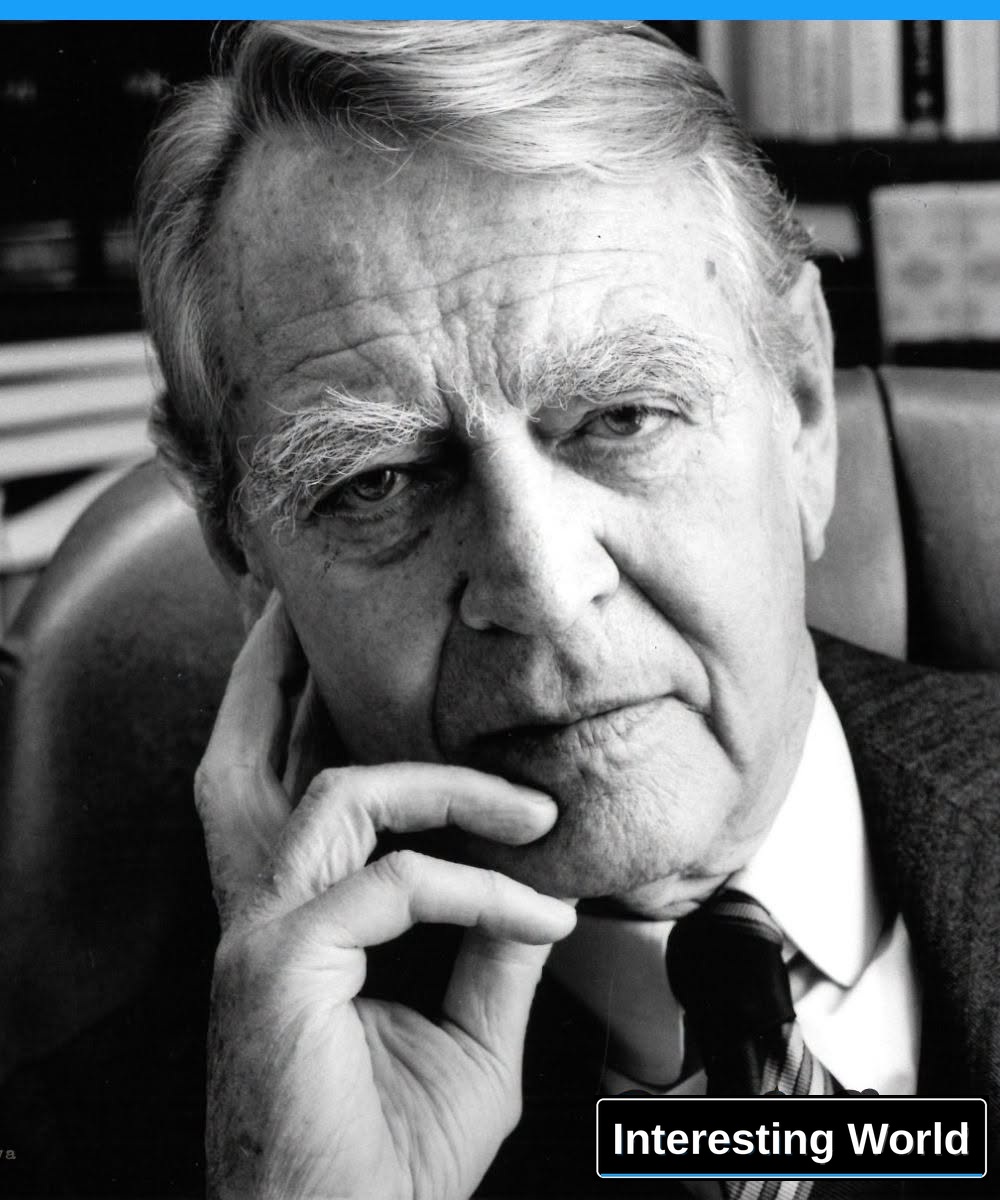
He didn't have a weapon. It wasn't part of the Resistance. Yet he managed to save about 800 people from the Holocaust.
In August 1942, in the city of Borysław, then under Nazi occupation, Berthold Beitz witnessed a scene destined to change his life. The SS were emptying a Jewish orphanage. Terrorized children were dragged into the trucks for deportation.
She was only 28.
That night he went home upset. He told his wife Else and together they made a decision that could cost them their lives.
They wouldn't be watching.
Beitz worked as a leader in the oil fields of the area. His assignment offered him a margin of manoeuvre that few had: the workers considered indispensable for production were temporarily protected by deportations.
He decided to take advantage of that possibility to the end.
He began to sign documents that turned people destined to the extermination camps into "specialized techniques" necessary to the oil industry. It didn't matter what their real job was. A tailor, a barber or a scholar could suddenly become essential workers.
Each signature was a possibility of survival.
But he often went further.
When the deports arrived, he personally showed up at the station. He entered the wagons, indicated some people and stated that they had to be transferred to the oil fields because they were indispensable to work. So he could take them away from trains to death.
Meanwhile, Else fought his battle in silence.
Their house became a refuge for Jewish children hidden in attics, cellars and secluded rooms. It was enough to have a deeper control of the Gestapo so that the whole family would be condemned.
They knew.
And they continued anyway.
In 1943 the Gestapo found documents forged by Berthold Beitz. He was questioned and subjected to strong pressure, but managed to avoid arrest also thanks to the strategic importance of his role in the oil industry.
As soon as he had the chance, he resumed doing what he thought was right.
Save lives.
When the war ended, about 800 men, women and children had survived through the actions of Berthold and Else Beitz.
Those people could rebuild their existence, put children into the world and give rise to new generations. Today thousands of people live also thanks to the courage of that couple.
After the war, Berthold Beitz became one of the most important German industrialists. He led large companies, met heads of state and built a career of enormous prestige.
Yet he rarely spoke of what he had done during the war.
When they asked him why he risked everything to save strangers, he responded with a phrase that contained the meaning of his choices:
"It was not heroism. I was simply a human being who saw what was happening. »
In the following years, Israel gave Berthold and Else Beitz the title of Justin among the Nations, one of the highest awards reserved for those who threatened their lives to save Jews during the Holocaust.
Berthold Beitz died on 30 July 2013, a few days before completing a hundred years.
Many remember it as a great industrial.
Others like the man who saved about 800 lives.
But perhaps his most important legacy is another.
He showed that even in the darkest moments of history, the choice to remain human can change the fate of hundreds of people.