Colin Farrell's greatest fear is not about cinema. It's about the day your son faces the world without him.
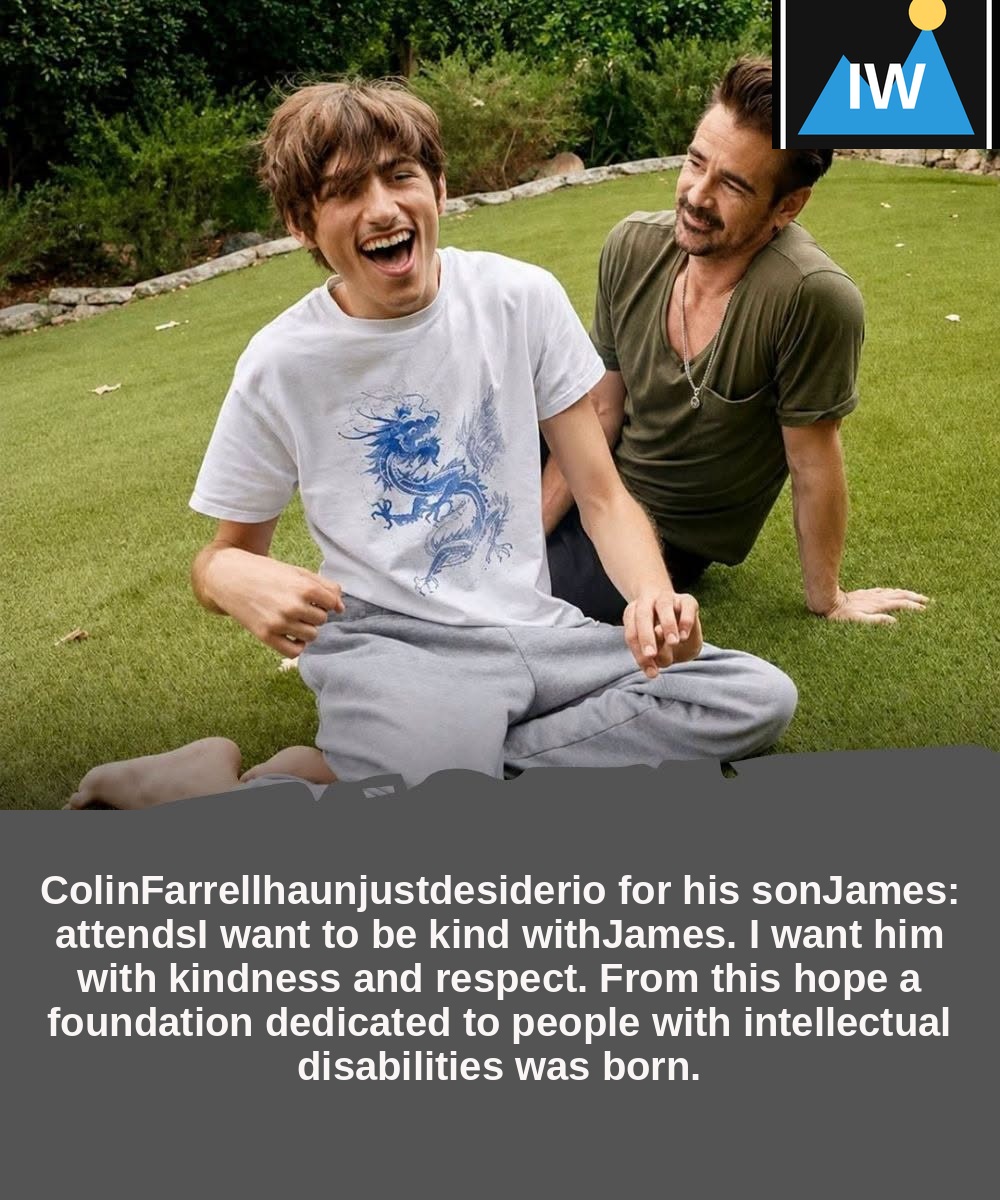
James, the actor's eldest son, lives with Angelman's syndrome, a rare genetic condition that can cause major difficulties in development, language and movement.
The diagnosis came when he was about two and a half years old.
In 2024 James was 20 years old and approached a phase that Colin Farrell had long been watching carefully: the transition to adulthood.
For many families who assist a person with intellectual disabilities, that moment can change everything.
School programs can end, some forms of support become more difficult to get and start looking for adult services, job opportunities, adequate housing solutions and long-term assistance.
But behind all these practical issues, there was a much more personal for Farrell.
What will happen to James when his parents are no longer present to protect him, accompany him and make sure he is treated with respect?
The actor had already publicly spoken of his son in the past. But in 2024 he decided to open a much larger window on their lives and especially on James' future.
The desire he expressed was extremely simple: he wanted the world to treat his son with kindness and dignity.
Something concrete came from that concern.
In August 2024 the Colin Farrell Foundation was launched, created to support people with intellectual disabilities and their families through initiatives dedicated to autonomy, inclusion and opportunities in adult life.
The project didn't stop at an announcement.
The foundation has developed activities related to day-to-day programmes and housing solutions, the support of people who daily care, awareness raising and financing organizations working with people with intellectual disabilities and development.
And that's where Colin Farrell's story stops being a celebrity.
Because the question that arises does not belong only to him.
It is the same that goes through the lives of many parents and caregiver.
As long as they are present, they can defend, explain, seek opportunities and intervene when something does not work.
But no one can be there forever.
And then the real goal becomes to build a world in which the person you love continues to have a place even when you are no longer there to guarantee it.
Maybe this is the most powerful part of Farrell's choice.
Don't ask the world to have mercy on your son.
Ask him to recognize the value.

Colin Farrell's greatest fear is not about cinema. It's about the day your son faces the world without him.
Category: Love & Relationships