For years Masahisa Fukase photographed obsessively the woman he loved. When she left, the subject of her images became solitude.
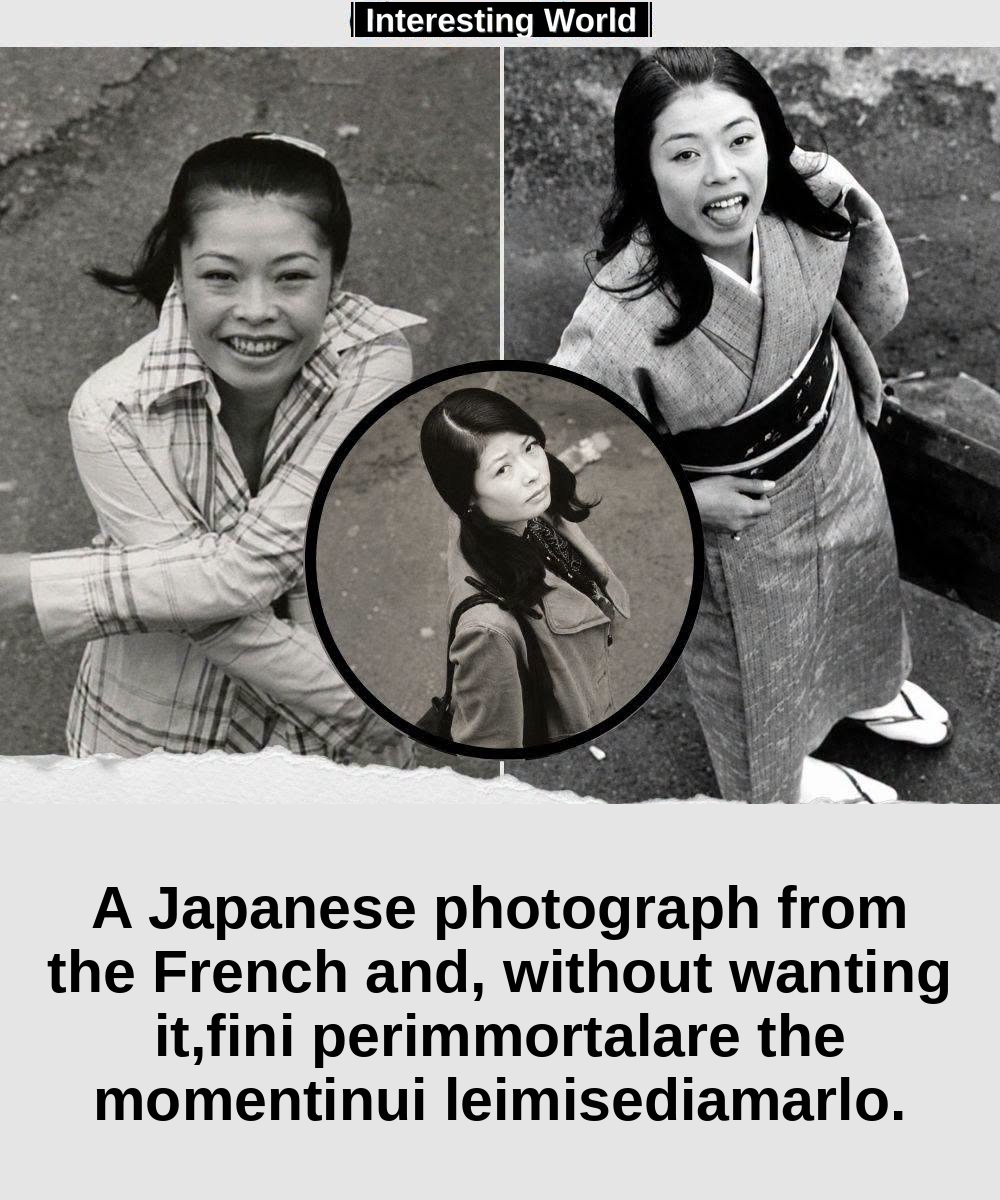
In the summer of 1973, from the window of their apartment in Tokyo, the Japanese photographer began a special ritual involving his wife Yoko Wanibe.
When Yoko went out to work, Fukase photographed her from above with a telephoto.
The scene repeated many times.
Yoko crossed the road, walked away, looked towards the goal, played with her husband's gaze from the window. Those photographs would then be merged into the work known as From Window.
At first glance they look like images of the everyday life of a couple.
Knowing what would happen after, however, assume a completely different meaning.
Three years later, in 1976, their marriage ended.
Yoko would have told her that she felt progressively transformed into a subject of her husband's work, perceiving that Fukase was interested in her especially as a subject to photograph.
It is a detail that makes their history particularly complex.
For a photographer, loving someone and continually turning it into an image may seem like two ways to approach the same person.
For those who are on the other side of the objective, however, being observed does not necessarily mean being seen.
After separation, Fukase's work changed deeply.
From the painful period following the end of the marriage some of the images that would be associated with his most famous work were born: Ravens, also known as The Solitude of Ravens.
Dark slopes, empty landscapes, restless skies and figures immersed in the shadows took the place of the family images of Yoko.
That series would become one of the most recognizable works of Japanese photography of the twentieth century.
And it is difficult not to relate the two works.
First there is a woman who walks away every morning under a window while her husband keeps photographing her.
Then that woman is gone.
And the target remains the crows.
Maybe that's what makes Fukase's story so powerful: some photographs seem to buy their true meaning only years after they were taken.
In 1973 Fukase thought of photographing Yoko as he left the house.
Today, looking at those images and knowing how their marriage would end, it almost seems that he was photographing something that he could not see: a person who, slowly, was moving away from his life.

For years Masahisa Fukase photographed obsessively the woman he loved. When she left, the subject of her images became s
Category: Life Stories