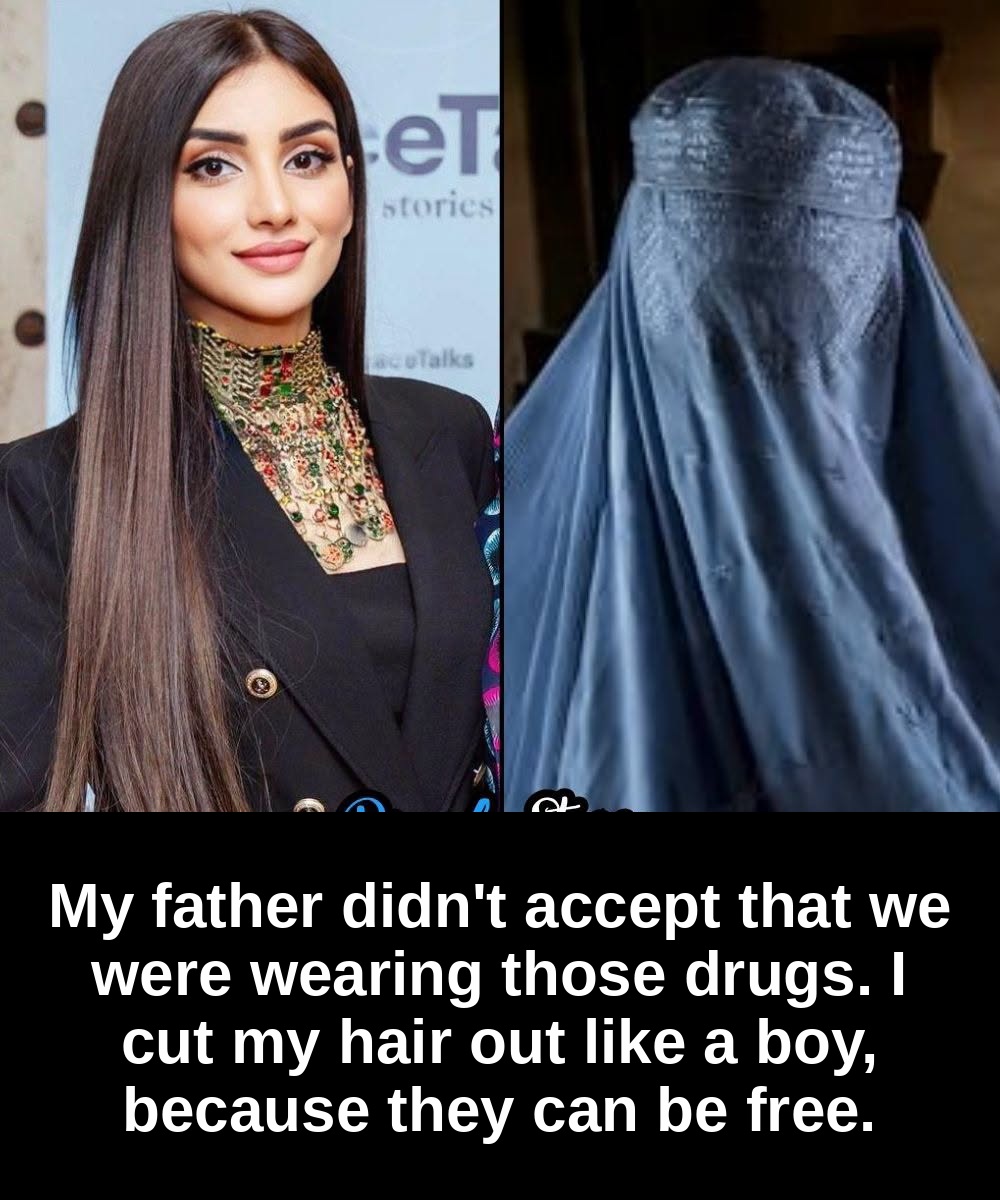
For almost ten years Nílofar Ayoubi lived with an identity that his father had built to protect her: outside the house he was dressed and presented as a child.
She was born in Afghanistan, in a context in which many freedoms granted to males were strongly limited to girls. Then, during his childhood, something happened that convinced his father to make a radical decision.
A man attacked Nílofar because he didn't wear the veil.
After that episode, her father cut her hair and began to dress her in the clothes of her brothers. Presenting himself as a male, Nílofar could move with a freedom that, as a child, would have been much harder to get.
That situation continued for almost a decade until puberty.
Years later, Nílofar would have remembered his father's choice especially as an attempt to protect her. That disguise didn't mean just changing clothes or cutting hair: it allowed her to experience a different everyday life, with the possibility that the simple fact of being born female could have precluded them.
And this is perhaps the most powerful aspect of his childhood.
To give his daughter a freedom she should have, a father came to the conclusion that the world, for a few years, had to believe her a son.
A solution born from fear and necessity, which tells with extraordinary clarity how much inequality can weigh when it begins already in childhood.

For almost ten years Nílofar Ayoubi lived with an identity that his father had built to protect her: outside the house h
Category: Life Stories