At 6, they immobilized her to mutilate her. At 10 they decided who would marry. At 49, they put her in prison and took her pen and paper. Nawal El Saadawi found every time a way to recover what others had decided to remove them: his body, his future, his voice.
Ten years, for example, she had an eggplant.
The family had already chosen a possible husband for her. When he learned that man's relatives would come to see her, Nawal devised a simple and desperate plan.
He entered the kitchen, took a raw eggplant and began to chew until his teeth became dark.
When the guests arrived, they smiled on purpose.
Marriage jumped.
She was just a child, but she had already learned how much it would cost to be female in Egypt she was born in.
Nawal El Saadawi came to the world on October 27, 1931 in Kafr Tahla, an Egyptian village, and was the second of nine children. He grew up listening to words that established a precise hierarchy between males and females. His grandmother came to say that a boy was worth at least fifteen girls.
She didn't forget those words.
But most of all, he never accepted his fate.
At the age of 6, he had already known one of the violence against which he would have fought throughout his life: female genital mutilation. Some women of her own family immobilized her while she was mutilated.
That memory would come back many years later in his books and battles.
Scamped at the combined marriage, Nawal managed to continue his studies. Also thanks to a convinced father that the daughters had to receive an education, he read a lot, he began to write very young and chose to become a doctor.
In 1955 he graduated in medicine at the University of Cairo.
Work in Egyptian rural areas showed her something no book could teach her the same way.
He saw the consequences of genital mutilation. He saw women face pregnancies and parts in difficult conditions. She saw women trapped in violent relationships and understood how much health, poverty and women's subordinate could be related to each other.
He decided to talk about it.
And from that moment the price of his words became ever higher.
In 1972 he published Women and Sex, openly addressing female genital mutilation and control over the body and sexuality of women.
He lost his post in public health. The magazine was closed. His writings were censored.
She continued.
In 1975 he published Donna at zero point, born from the meeting, which took place during his work, with a prisoner sentenced to death. That novel would become one of his best known works and a fundamental text of Arabic feminist literature.
Then the prison came.
In September 1981, during the vast campaign of arrests ordered under the chairmanship of Anwar al-Sadat, Nawal El Saadawi was locked up in the female prison in Qanatir.
She was 49.
In prison they denied her pen and paper.
But he couldn't even shut her up.
A prisoner gave her a eyebrow pencil. Nawal then began writing on toilet paper.
Thoughts, episodes, stories of women recluses with her and reflections on the power and the female condition.
Those pages managed to get out of prison and would be merged into his prison memories.
After the assassination of Sadat in October 1981, she was released after about two months.
He did not choose a quieter life.
In 1982 he founded the Arab Women's Solidarity Association and continued to write and intervene publicly.
In the following years pressure, censorship and threats came. In the early 1990s, his name appeared among those of people threatened by Islamist extremists.
In 1993 he left Egypt and moved to the United States, where he taught and lectured at major universities.
He returned to Egypt in 1996.
And even the age made her more cautious.
In 2005, at 73, he announced his intention to apply for the presidency, also symbolically claiming the right of women to occupy every space, including the highest office of the state.
During his existence he faced prison, censorship, exile, threats and judicial battles.
He wrote more than fifty books and became one of the most known voices of Arabic feminism.
He died in Cairo on 21 March 2021, at the age of 89.
For almost all his life Nawal El Saadawi fought against those who claimed to decide for him.
On his body.
On his books.
On his ideas.
On the place a woman should have taken care of in the world.
And maybe everything was already enclosed in that ten-year-old girl in front of a marriage decided by adults.
He had no power, money or freedom.
She had an eggplant.
And he still found a way to say no.
This is a narrative inspired by real facts, enriched by elements of emotional tale.

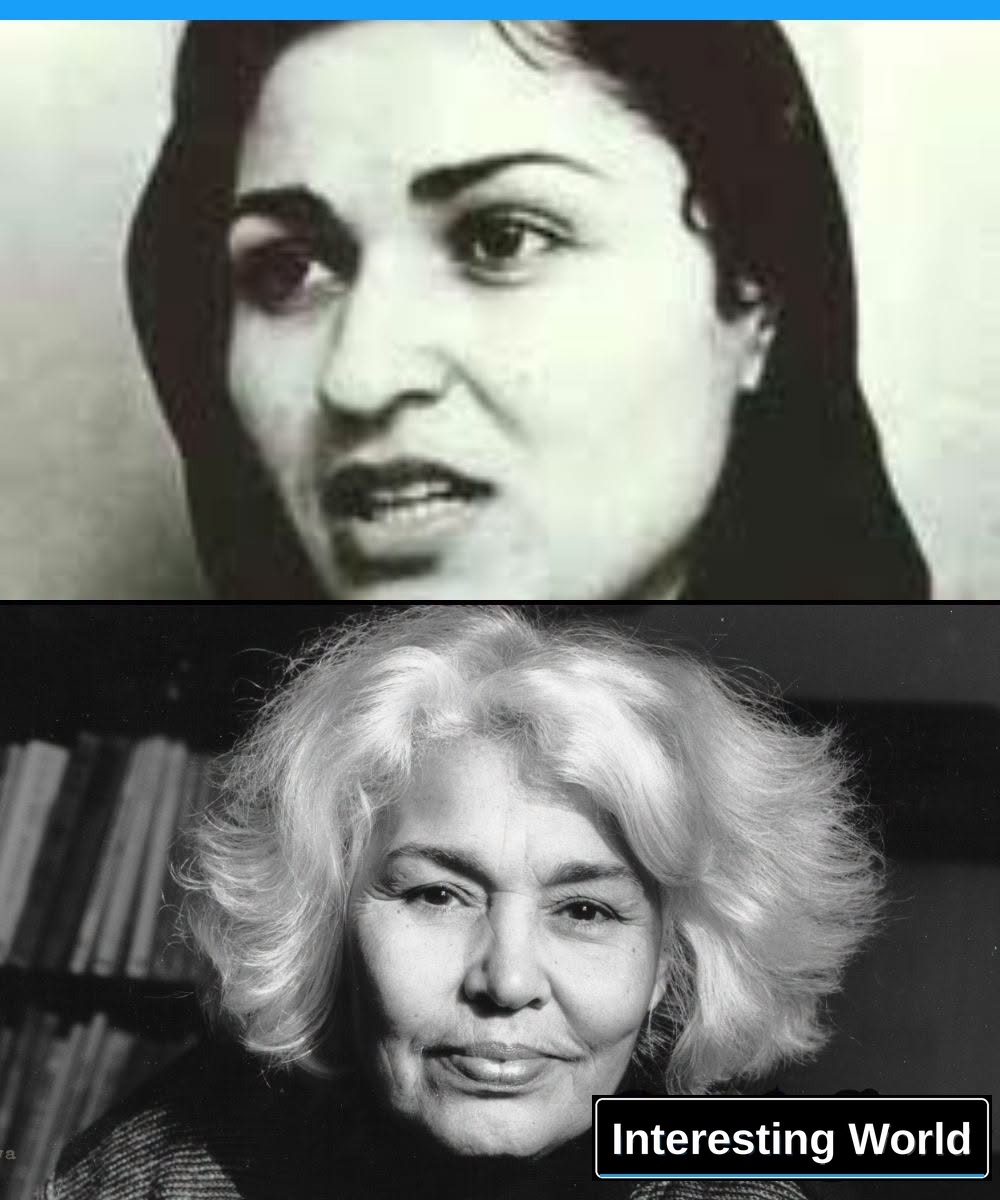
At 6, they immobilized her to mutilate her. At 10 they decided who would marry. At 49, they put her in prison and took h
Category: Life Stories