The doctors told his parents that he had about 1% chance of surviving. Fifty-five days later, Kali left the hospital walking on his legs.
He was only 12 years old when a simple bath in fresh water turned into the beginning of a race against time.
Kali Hardig had a swim at Willow Springs Water Park, near Little Rock, Arkansas. In the following days he began to have headaches. Then came the fever, vomiting and so deep fatigue that his mother was even struggling to wake her.
On 19 July 2013, he decided to take her to Arkansas Children's Hospital.
That decision would have been fundamental.
The doctors performed a lumbar puncture. When a laboratory technique observed the cerebrospinal fluid taken under the microscope, he noticed something moving.
They were amoebates.
The manager was quickly identified: Naegleria fowleri.
It is an amoeba that lives in warm sweet waters. The infection is extremely rare and can occur when contaminated water enters through the nose. From there, the organism can reach the brain and cause a devastating disease: primary amebic meningoencephalitis.
The problem is above all speed.
The disease can progress quickly and, in the case of Kali, the time available was very little.
His father would later recall that doctors spoke to the family of a probability of survival around 1%.
Before her, only two survivors were known in North America.
But that time doctors had a valuable advantage: they had understood very soon against what they were fighting.
The therapy started immediately.
Kali was administered amfotericin B, rifamp, fluconazole and azithromycin. The hospital also contacted the Centers for Disease Control and Prevention to obtain miltephrosine, an experimental drug against this type of infections that was not normally available in the United States at the time.
The miltephin arrived about 36 hours after the shelter.
But fighting amoeba was only part of the battle.
Kali's brain had begun to inflate dangerously.
The team inserted a ventricular drainage to measure and reduce pressure inside the skull. Amfotericin B was also administered directly into the cerebrospinal fluid. Mannitol and hypertonic saline solution were used.
Then doctors made another important decision.
They deliberately lowered Kali's body temperature up to about 32-34 °C, in an attempt to control brain inflammation.
The girl remained sedated and connected to a respirator, while intracranial pressure was continuously controlled.
In the following days, the first encouraging signs arrived.
But even after contrasting the infection, no one could yet know what consequences it would have on the brain of a 12-year-old girl.
So another wait began.
Then Kali moved his hands.
He began to follow some instructions.
And finally he managed to pronounce a few words.
One of the first was “mom”.
He had survived the infection, but now he had to re-learn gestures that until recently did not require any effort.
Talk.
Eat.
Walk.
Day after day, he began to recover.
Then he arrived on September 6.
That day Kali did something that, during the dramatic hours of the shelter, would seem almost unthinkable: he returned to the pool.
It was the therapeutic pool of the hospital.
At first he was afraid.
Then he entered the water, he began swimming and even came to dip his head again.
Five days later, after 55 days of shelter, Kali Hardig left Arkansas Children's Hospital, again able to walk.
He later returned to school, with virtually complete neurological recovery.
His case became extraordinary not because a miraculous cure was suddenly discovered.
The doctors themselves did not attribute survival to a single drug.
To make the difference it was probably a combination of factors: his mother quickly realized that something was wrong and brought it to the hospital; the laboratory recognized the amoeba in very short times; the treatment began quickly; the team intervened aggressively to control the dangerous intracranial pressure and brain inflammation.
In a disease where every hour could become an advantage or a sentence, time became part of therapy.
Kali was not saved by an extraordinary moment.
It was saved by a chain of decisions taken when the margin to intervene was extremely reduced.
And perhaps the most powerful image of its history remains that pool.
The water had marked the beginning of its nightmare.
Less than two months later, getting back inside meant recovering his life.

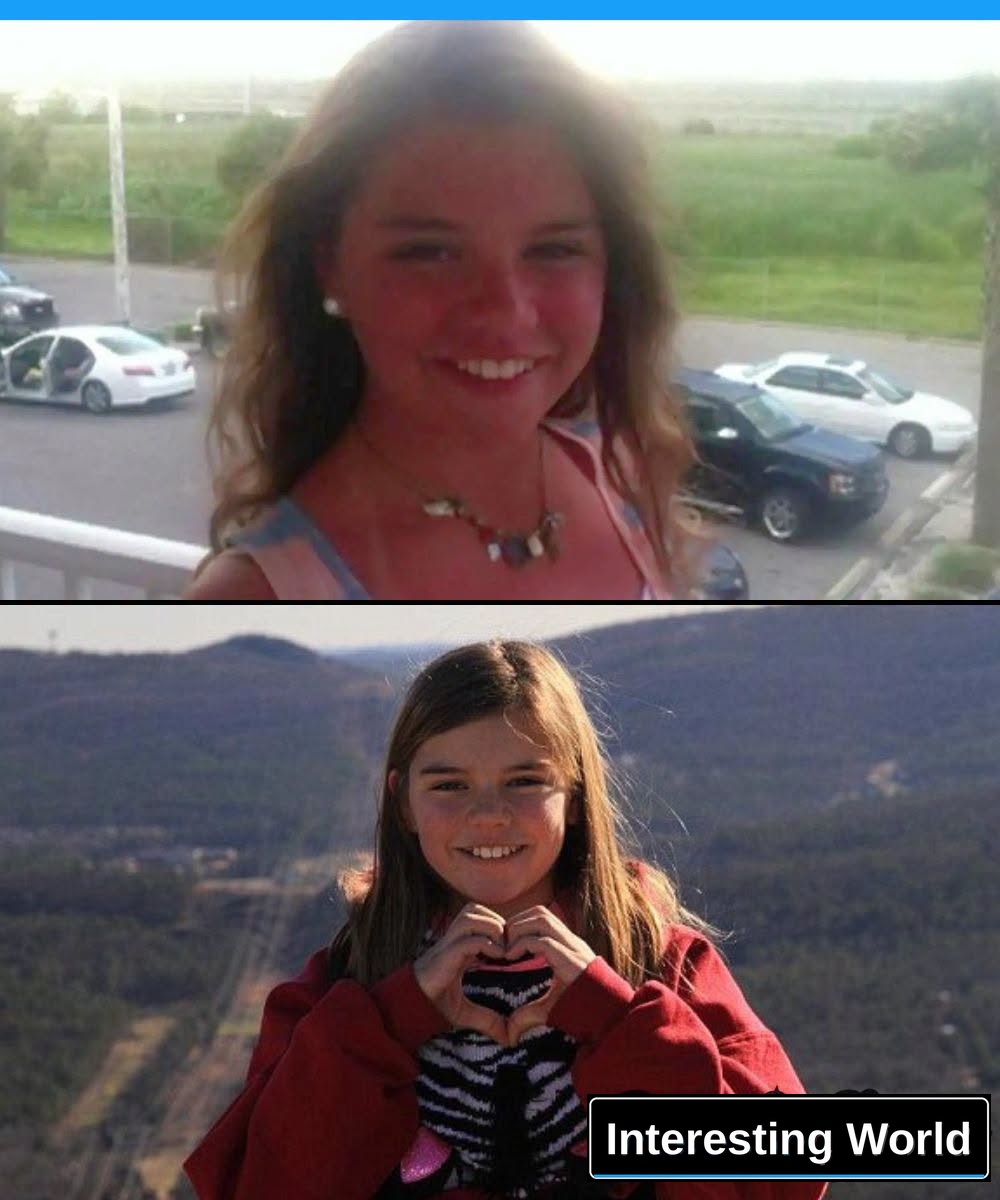
The doctors told his parents that he had about 1% chance of surviving. Fifty-five days later, Kali left the hospital wal
Category: Life Stories