When Lauren Wasser woke up from the coma, there were two words on his legs. On one they wrote: “Yes.” On the other: “No”. It was the simplest and most brutal way to indicate which leg doctors could try to save and which, instead, should have been amputated.
Lauren was 24. Until then his body had also been his work. She was a model, she had grown up in photography and catwalks and had spent most of her life playing basketball. Then, in October 2012, everything changed within a few hours.
During the menstrual cycle he began to feel ill. His condition deteriorated rapidly, until he was found unconscious on the floor of his apartment. She was rushed to the hospital with a very high fever. The diagnosis was: toxic shock syndrome, a rare but potentially mortal complication associated, among other factors, also with the use of internal absorbents.
His body entered a very serious crisis. Lauren stayed for about a week and a half induced coma and had to be kept alive with artificial support. Blood circulation at the ends was compromised and gangrene appeared. According to doctors, he had about one percent chance to survive.
Lauren survived. But he lost his right leg under his knee and fingers on his left foot.
When he returned home, a completely different battle began. He didn't just have to learn to walk again. He had to learn to recognize himself in a changed body while trying to return to a professional environment based on extremely rigid aesthetics. At first he was hiding the prosthesis under wide pants and sweatshirts.
Then he made a choice: he decided he wouldn't hide it anymore. A golden metallic prosthesis was made. What until recently had tried to subtract the eyes suddenly became one of the first things that people noticed when entering a room.
And Lauren returned to model. He went to New York Fashion Week, participated in advertising campaigns and began to use his visibility to talk about toxic shock syndrome and the safety of menstrual products.
But the story wasn't over yet. The left leg was saved in 2012, but had sustained permanent damage. For years Lauren faced intense pain and underwent continuous treatments. In the end he found himself in front of a very different decision than that made by doctors years before: continuing to preserve that leg meant continuing to live with pain.
In January 2018 he decided to amputate. This time, however, it was his choice. After the surgery came a second golden prosthesis and Lauren began to call herself “the girl with golden legs”. Not because those prostheses could erase what had happened to her. Just for the opposite reason: they made it impossible to hide it.
And this is where his story takes on a particular meaning. Lauren had returned to an industry that for decades built much of her imagination on the search for seemingly perfect bodies, hiding in scarring images, imperfections and differences. She did the opposite: she brought two golden metallic legs into the catwalk impossible to ignore.
In 2026 he even arrived on the red carpet of the Met Gala showing them both. Fourteen years had passed since the doctors had prepared his family for the possibility that he did not survive.
In the end, just what Lauren tried to hide under her clothes had become the most recognizable trait of her image. He didn't erase what happened to her. He stopped hiding it.

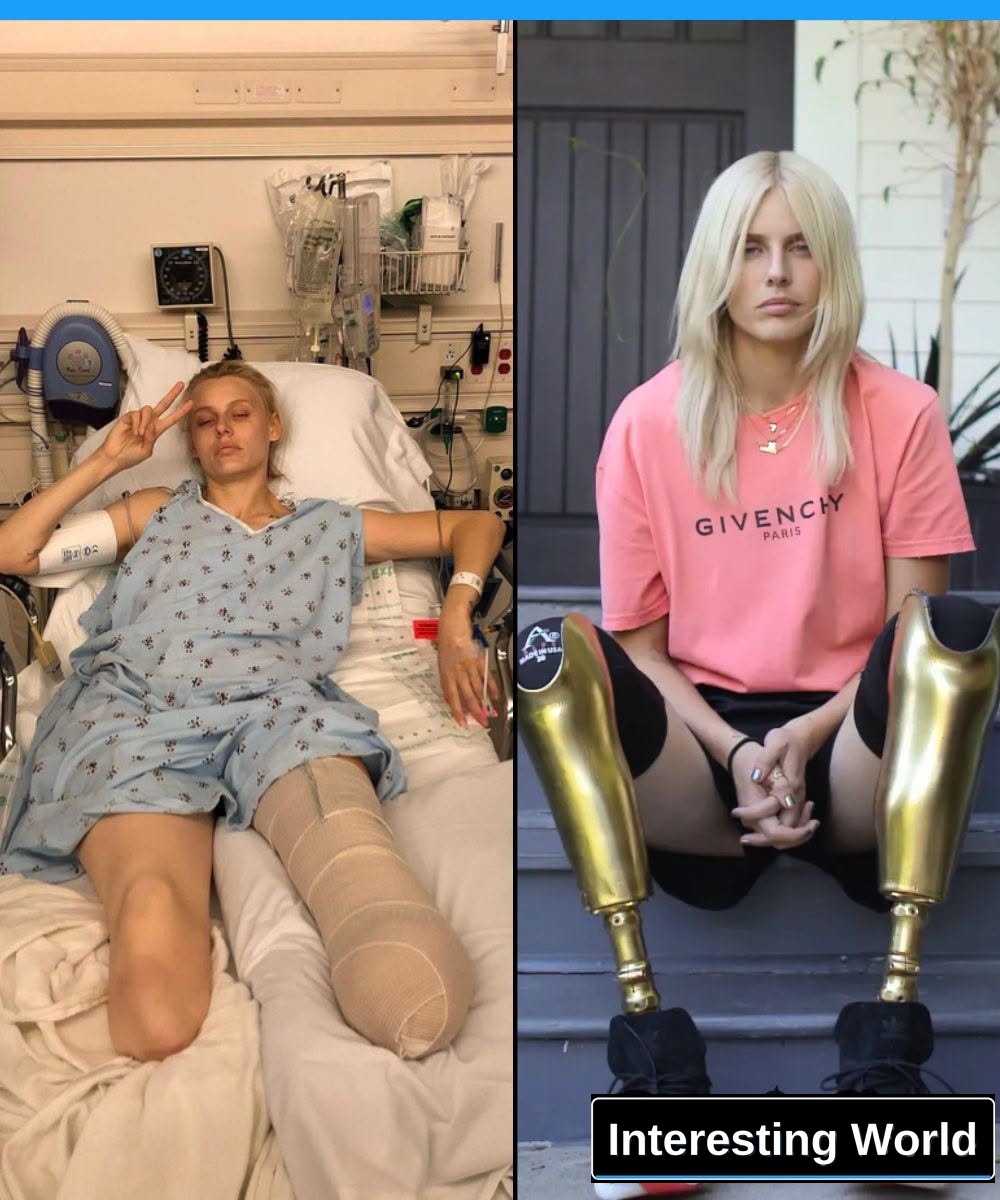
When Lauren Wasser woke up from the coma, there were two words on his legs. On one they wrote: “Yes.” On the other: “No”
Category: Life Stories